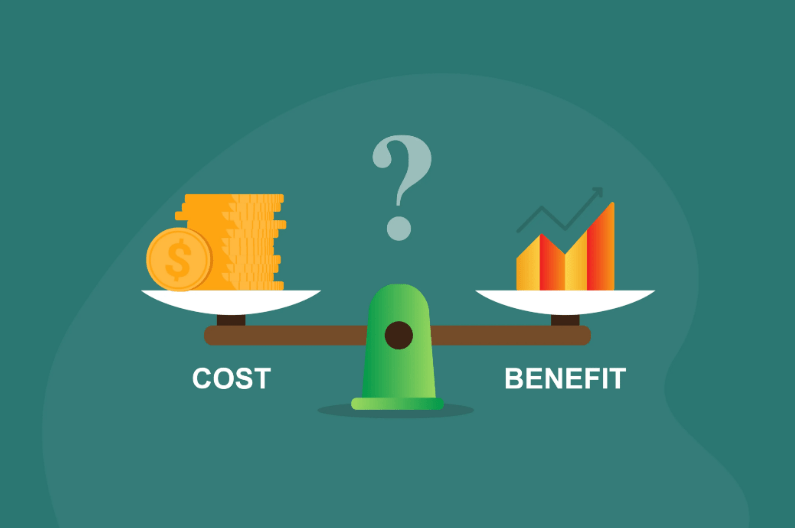
I am someone who loves stats and data so when those benefits renewals packages come around, I absolutely love it. Assessing benefits plans is one of my favourite components to HR and it is a fun way to find creative offerings for your employees and/or to save some money for your organization.
Your benefit plan is a big aspect of your compensation package and can help set you apart from your competition. It is a powerful tool for both attracting and retaining top talent.
Given the importance of your benefits plan, you shouldn’t wait for complaints to roll in before you re-evaluate your plan. Proactively assessing and updating benefits signals to your employees that you value their well-being and satisfaction.
Here are some key factors for assessing your benefits plan:
1. Demographics of Your Organization
This should be the first thing you assess as your benefits offerings should be tailored for your employees. Start by analyzing key factors like age, gender, family status, and health needs within your organization.
Based on these components, you will have a better understanding of what your employees would appreciate in their benefits package. For example, if you have a younger workforce, offering student loan assistance or wellness perks might resonate more. On the other hand, if your workforce includes many parents, expanding parental leave or providing childcare benefits could add significant value. A “one-size-fits-all” approach no longer works, so tailor your plan to suit the unique makeup of your employees.
2. Assessing the Market
You want to ensure that you are competitive in the economy and that you are not losing talent to your competitors. A great way to do this is to have your benefits plan benchmarked by your broker as it will identify any gaps in your benefits offerings. Once you have a clearer picture, adjust your plan accordingly to meet or exceed market expectations. This will help attract and retain talent.
3. Align Benefits with Organizational Goals
It is important your benefits package reflects the goals of your organization. For example, if your organization is committed to promoting work-life balance, you should offer benefits that support flexibility, such as remote work options, flexible hours, or generous parental leave policies.
4. Gather Employee Feedback
The best way to assess your plan is to obtain feedback directly from the source. Your employees use the plan, and they would be happy to tell you what they need and value. You can gather this feedback through employee surveys, focus groups, exit interviews, stay interviews, and more.
Once the feedback is obtained it is important that you have a communication plan to advise why some things were added and why some other suggestions may have been left out. It is important your employees understand the ‘why’ in any changes or if some benefits remain the same. This is how you will keep their engagement up for future surveys.
5. Utilization
Making sure your benefits offerings are being used is an important aspect of your assessment. Work closely with your broker to obtain regular utilization reports will help you identify which benefits are popular and which are underused. Be sure that you are evaluating these reports on a quarterly or bi-annual basis so you can make the necessary adjustments ahead of renewal.
In conclusion, assessing your company’s benefits is an ongoing process that should involve creativity and strategic thinking. By keeping a pulse on your workforce, staying competitive with the market, and aligning benefits with organizational values, you’re creating a package that both attracts new talent and supports the people already contributing to your company’s success.
 HR Ink
Leave a comment